

Con 30 años, SCT Estudio de Arquitectura, liderado por Ángel Sánchez-Cantalejo y Vicente Tomás y, apuesta por una arquitectura serena, atemporal y centrada en la calidad de vida. En esta entrevista con Gunni & Trentino —tras renovar el Hotel Formentor —, repasa su visión del lujo, el trabajo colaborativo y los desafíos futuros.
Tras una trayectoria de 30 años, ¿cuál diría que ha sido la decisión más importante que tomaron en sus inicios y cómo ha marcado la trayectoria del estudio?
Los inicios de la profesión son esenciales y los primeros encargos –si los aceptas o no, y como los encaras– marcan la trayectoria del estudio. Aún no has definido una línea de trabajo y te llegan proyectos con los que no te sientes cómodo y tienes que rechazar, algo que, cuando estás empezando, es muy difícil, pero que visto con distancia es sin duda una de las mejores decisiones que hemos tomado y que nos ha permitido hacer la arquitectura en la que creemos.
A lo largo de su trayectoria, ¿cómo ha evolucionado el concepto de ‘lujo’ en la arquitectura?
El ‘lujo’ ha evolucionado y ya no se entiende sólo como opulencia, sino también como una elevada calidad de vida que puede darse, tanto en una vivienda de alto standing, como en otra más económica. Esto implica que todo funcione bien, a través de un control y buena gestión de los recursos, menor consumo, confort, ahorro energético y materiales sostenibles.
Su enfoque fusiona hábilmente técnicas modernas con elementos históricos y tradicionales. ¿Qué lo inspira a innovar sin dejar de honrar los valores del diseño tradicional y cómo alcanza ese equilibrio?
La fusión de técnicas modernas con elementos históricos y tradicionales en arquitectura se basa en un equilibrio entre la innovación y el respeto por la identidad histórica, cultural y física. Innovar sin perder estos valores implica estudiar las soluciones tradicionales y adaptarlas a las necesidades actuales, diseñando con flexibilidad para permitir que los espacios evolucionen sin perder su esencia y reinterpretando los estilos tradicionales desde una visión contemporánea.
En proyectos en los que colaboran con interioristas como Terraza Balear part of Gunni & Trentino, ¿cómo sea segura una integración armoniosa entre arquitectura y diseño interior?¿Qué beneficios aporta?
Nuestro estudio funciona como una maquinaria de múltiples engranajes, donde la colaboración y el trabajo en equipo son factores esenciales y enriquecedores. La integración se consigue cuando arquitectura e interiorismo trabajan de forma conjunta desde el inicio, garantizando una continuidad estética y funcional que da lugar a espacios concebidos como un todo coherente, donde cada elemento cumple un propósito y contribuye a la armonía general.
Colaborar con interioristas como Terraza Balear part of Gunni & Trentino nos ha resultado siempre creativamente muy enriquecedor, permitiéndonos materializar de forma precisa las ideas que imaginamos.
Sus proyectos buscan la composición, la comunicación entre espacios y la convivencia entre interior y exterior. ¿Cómo se manifiesta esta búsqueda de forma consciente en su trabajo?
Un proyecto de arquitectura es un proceso, donde la realidad convive con una idea romántica sobre formas, materiales y espacios. A nivel conceptual, nos gustan las formas claras y contundentes, de volúmenes puros que se mezclan, solapan y superponen, las proporciones que generan orden, la sencillez material y cromática, el equilibrio y la atemporalidad.
También prestamos mucha importancia al tratamiento de la luz, que filtramos a través de lamas, porches, patios y terrazas para generar una secuencia espacial y una transición entre interior y exterior ‘muy mediterránea’, que raramente es inmediata y logra una profundidad y circulación física y también visual.
Considerando la creciente preocupación por la sostenibilidad, ¿qué principios incorporan en sus diseños y qué papel juega la arquitectura en la respuesta al cambio climático?
Para nosotros, el principal principio de sostenibilidad es cómo el proyecto da respuesta y dialoga con aspectos que, como el lugar geográfico, el contexto cultural o el clima, condicionan la propuesta arquitectónica. Nos interesan los materiales respetuosos con el medio ambiente y altamente reciclables, que además aportan diferentes connotaciones, como el hormigón, la madera o el vidrio.

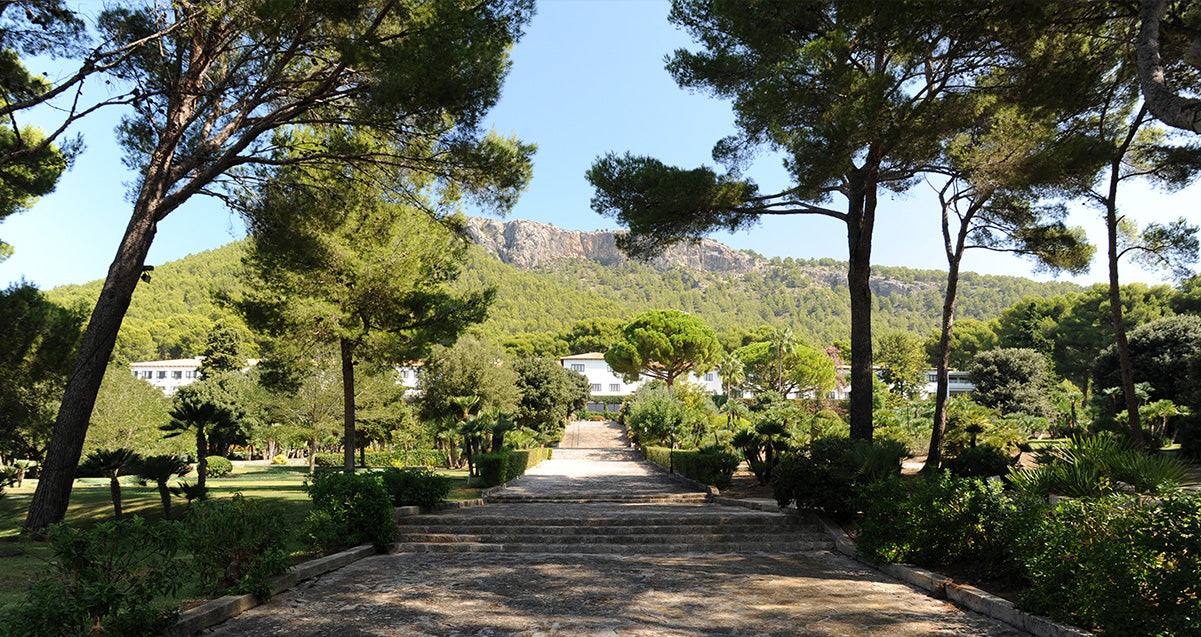
Han colaborado en el proyecto del Hotel Formentor junto con Carlos Lamela y Gunni & Trentino. ¿Qué aspectos destacaría de esta experiencia de colaboración multidisciplinar y cómo se refleja la identidad de SCT en el resultado final?
El arquitecto es como un director de orquesta para quien el equipo es imprescindible y la creatividad compartida es una de las grandes virtudes que debe tener un estudio. En SCT todos sumamos y lo importante no es quién empieza un proyecto o lo acaba, ya que entendemos nuestro trabajo como un ejercicio a largo plazo, donde la coherencia tiene mucho más valor que un único encargo.
How would you define Terraza Balear part of Gunni & Trentino in three words? What key features would you highlight about its showroom?
Elegancia, dedicación y profesionalidad. Desde mi perspectiva, su éxito se basa en una apuesta constante por la innovación, que ha transformado el showroom: ha pasado de ser un simple espacio de exposición de mobiliario y materiales a convertirse en un lugar donde es posible imaginar, diseñar y proyectar cualquier tipo de proyecto de forma integral.
Mirando hacia el futuro, ¿qué retos aún les quedan por cumplir como estudio y cuál es su visión sobre la evolución de la arquitectura en las próximas décadas?
Si hasta ahora hemos tenido la suerte de trabajar muy distintas tipologías y escalas, que nos han aportado muchas herramientas para afrontar nuevos proyectos, ahora nos gustaría salir de nuestra zona de confort y explorar tipologías en otras zonas geográficas. Sobre la evolución de la arquitectura, no lo sé; los arquitectos proponemos proyectos respondiendo a las circunstancias, y las del futuro no las conocemos. En todo caso, nuestro trabajo y creatividad están muy limitados por una normativa cada vez más restrictiva, no sólo a nivel urbanístico, sino también técnico, que condiciona y afecta la creatividad.
