Functional space and its distribution
Functional space and its distribution
In the world of interior design , spatial layout plays a crucial role in creating environments that are not only aesthetically pleasing but also practical and functional. Functionality is key to ensuring that every corner of your home or workplace serves a specific purpose without sacrificing style.
Spatial layout isn't simply a matter of randomly placing furniture and decorations ; it involves careful planning to ensure each element contributes to the overall functionality of the space. From furniture arrangement to the choice of materials , every decision should be deliberate and geared toward creating an environment that suits your needs and lifestyle.

Tips for a functional space layout
Assess your needs: Before you begin designing, reflect on how you use your space and what activities you do there. This will help you determine which areas need priority and how to effectively arrange furniture to meet those needs.
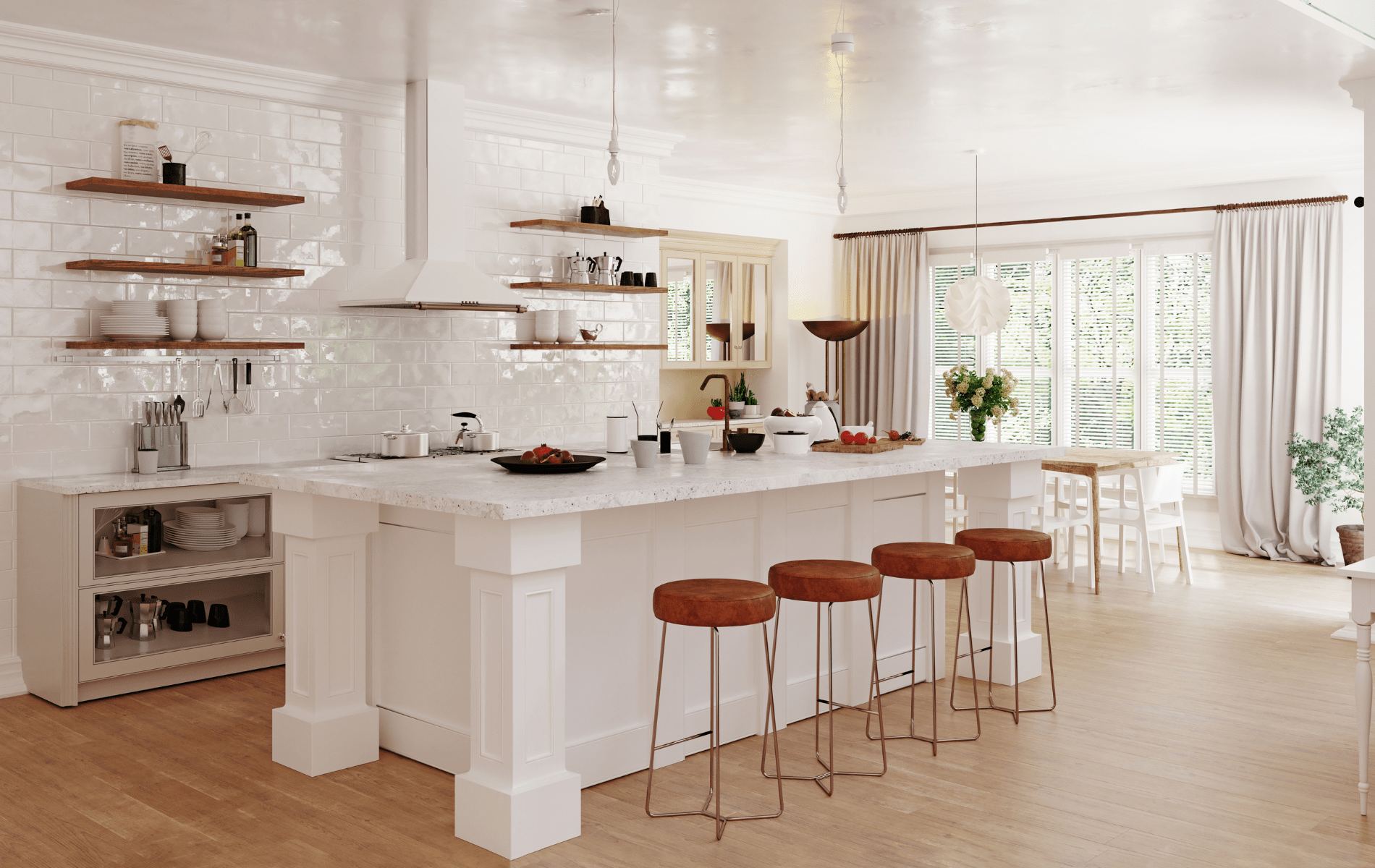
Create defined zones: Divide the space into specific areas based on their function. For example, in a living room, you might have an entertainment area with a sofa and TV , a reading area with a comfortable armchair and a floor lamp , and a work area with a desk and ergonomic chair.
Optimize traffic flow: Make sure there's enough space between furniture to allow for easy movement. Avoid obstructing doors and windows , and consider the location of major access points to the space to ensure efficient traffic flow.
Use multifunctional furniture: Furniture that serves more than one purpose is ideal for maximizing space in small areas. For example, a sofa bed in the living room can serve as a place to relax during the day and as an extra bed for guests at night.
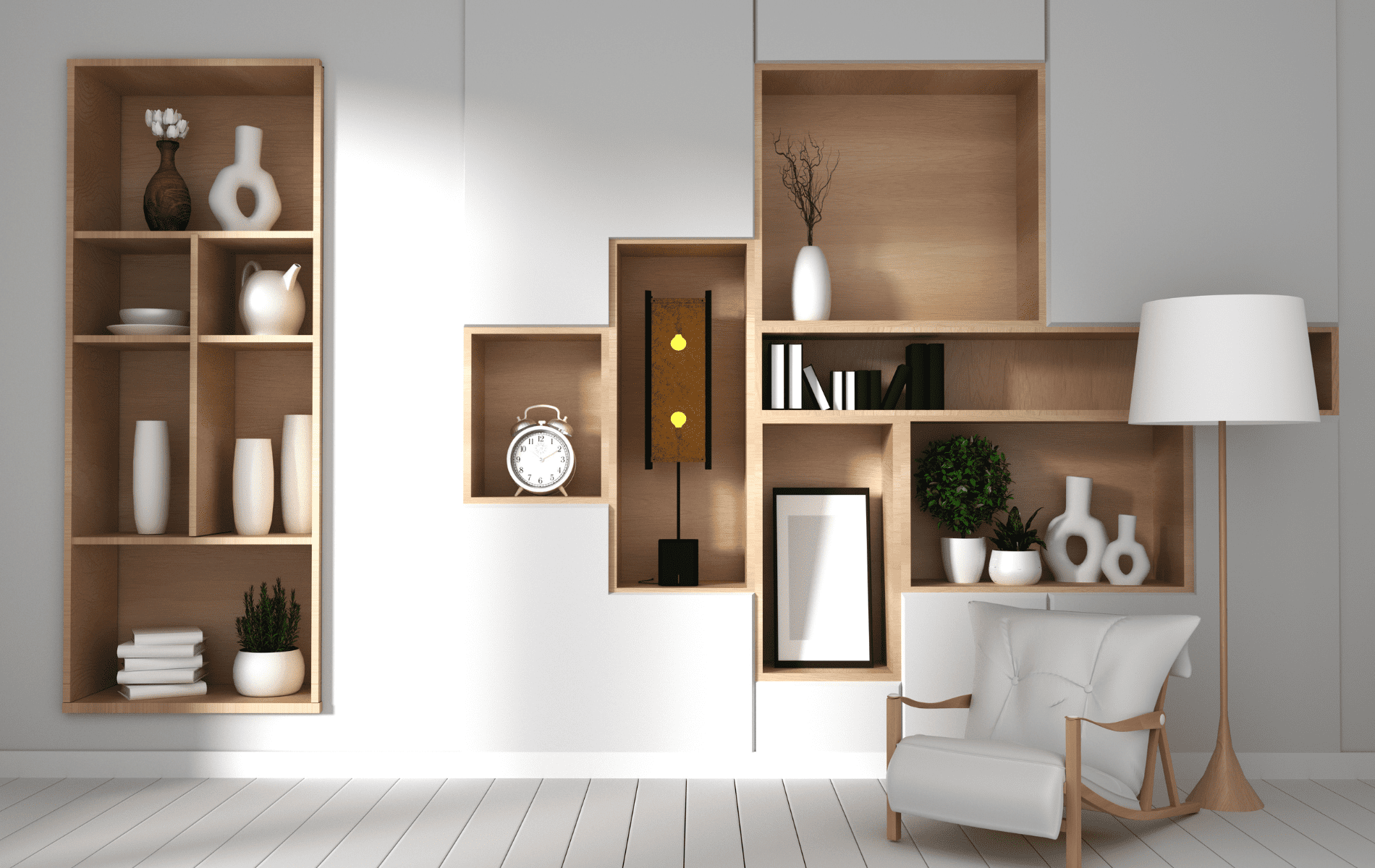
Take advantage of vertical storage: Use shelving , cabinets , and wall-mounted racks to maximize vertical space and keep clutter under control. This will free up floor space and help maintain a neat and organized appearance.

Functional space layout is essential for creating environments that are both beautiful and practical. By following these tips and carefully considering how you use each area, you can design spaces that perfectly suit your needs and lifestyle. Remember that functionality doesn't have to come at the expense of style; with a little planning and creativity, you can achieve a perfect balance between the two.
If you'd like more information on how to create a functional space layout for your interior design project, don't hesitate to contact us. You can schedule an appointment with our experts using the link below.