

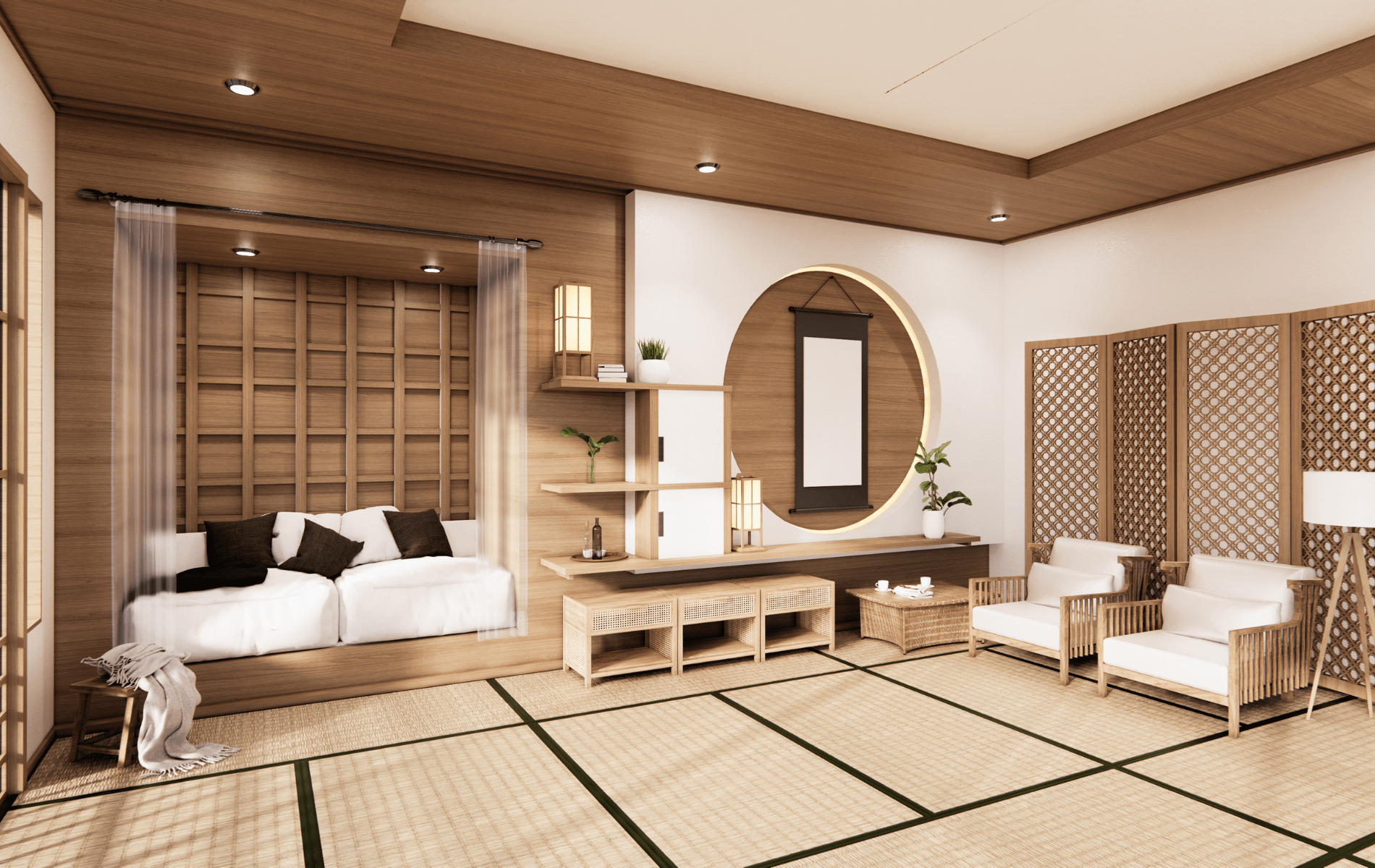
Functional Minimalism: Design strategies to maximize space in small homes without sacrificing aesthetics.
Functional minimalism: Design strategies to maximize space in small homes without sacrificing aesthetics.
In a world where living space is becoming increasingly limited, interior design faces the challenge of creating functional and aesthetically pleasing environments in small spaces. Functional minimalism emerges as an elegant response to this problem, offering design strategies that maximize space without compromising comfort or the beauty of the surroundings.
Functional minimalism isn't simply about reducing the number of items in a space, but about optimizing each item to fulfill a specific function. It focuses on simplicity, intelligent organization, and the efficient use of available space.
Maximizing space with multifunctional furniture
One of the cornerstones of functional minimalism is the careful selection of furniture that serves more than one purpose. For example, a sofa bed can provide seating during the day and transform into a comfortable bed at night, saving valuable space in a small room. Similarly, tables with built-in storage or stools that can be stacked when not in use are excellent options for optimizing space in small areas.
Optimization of organization and storage
Efficient organization is essential in any space, but it's even more important in small homes. Functional minimalism encourages the use of smart storage solutions, such as floating shelves , decorative baskets , and modular furniture that adapts to the user's changing needs. By keeping items out of sight and in their designated place, a sense of order and spaciousness is created in the environment.
Colors and materials for small spaces
The choice of colors and materials plays a crucial role in the perception of space in a small environment. Light and neutral tones help reflect light, making a room appear larger and brighter. Similarly, the use of transparent materials , such as glass and acrylic , can create a sense of visual lightness in the space. Functional minimalism advocates for simplicity in the color palette and consistency in the selection of materials to maintain a clean and harmonious aesthetic.
Ultimately, functional minimalism demonstrates that beauty and functionality are not mutually exclusive concepts, but rather inseparable allies in interior design . By adopting a less-is-more philosophy and applying smart strategies to maximize available space, it's possible to create small homes that are both practical and aesthetically pleasing. In a world where space is a precious commodity, functional minimalism offers a refreshing approach to living with less, but better.
If you'd like more information about functional minimalism for your interior design project , please don't hesitate to contact us. You can schedule an appointment with our experts using the link below.

